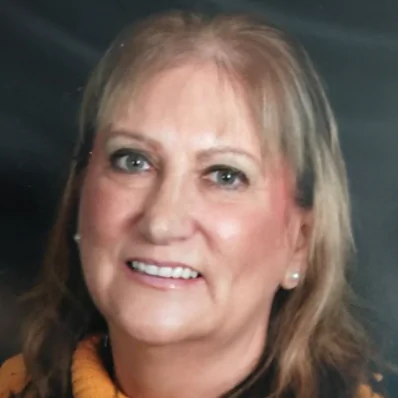
Mary Kathryn Bogdan
MACM, BSM, RN, ALNC
Nottingham, Maryland
Specialties: Gastroenterology, Food Contamination, Food Safety, Assault, Gangs, Sexual Abuse, Lost Earnings, Workplace Safety, Autopsy, Pathology, Psychiatry, Addiction, , Behavioral Analysis, Charge Nursing, Devices and Equipment, Diabetes, Disability, Disability Management, Elder Abuse, Ethics, Fall Protection...

LaTresia Boone
RN, ALNC
Stockbridge, GA
Specialties: Gastroenterology, Demonstrative Evidence, Legal Ethics, Legal Malpractice, Legal Research, Medical Malpractice, Workers Compensation, Wrongful Death, Acupuncture, Acute Care, Addiction, , Allergy, Alzheimer's, Anatomy, Anesthesiology, Assisted Living, Bariatric Surgery, Billing-Medical Billing...
About: Hello. My name is LaTresia Boone and I've been a nurse since 1999. I am an advanced legal nurse consultant and have a passion for problem solving, researching and analyzing information. I have extensive experience as a peri anesthesia nurse. I've worked in areas to include, pre-admit testing, preop,...
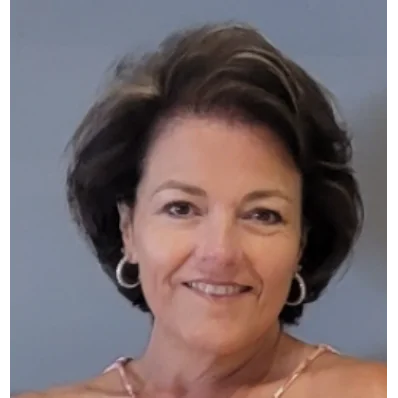
Krista Zahner
BSN, RN, ALNC
Blue Springs , Missouri
Specialties: Gastroenterology, Healthcare, Medical Malpractice, Workers Compensation, Wrongful Death, Acute Care, Anatomy, Assisted Living, Burn Care, Cardiac, Cardiovascular, Critical Care, Critical Care Unit (CCU), Devices and Equipment, Diabetes, Dialysis, Elder Care, Electronic Medical Records (EMR)...
About: I worked in critical care for 27 years; primarily with Cardiothoracic Surgery post-op patients and also with trauma and transplants. I was the unit educator in the CTS ICU and the CTS Pre/Post unit for 10 years. I also worked in the CTS clinic as the Pre-op Patient Teaching Liaison. I have a broad...
Jodi Harms
RN, BSN, ALNC
Webster City, Iowa
Specialties: Gastroenterology, Disability Accessibility, Product Liability, Product Safety, Benefits and Retirement, Disability Evaluation, Discrimination, Employability, Lost Earnings, Workplace Safety, Workplace Violence, Financial Planning, Altered Medical Records, Chemical Pathology, Document Analysis...
About: Jodi Harms is the founder and owner of Harms, Legal Nurse Consulting, LLC. Jodi is a Registered Nurse and is certified as an Advanced Legal Nurse Consultant. Her education includes an Associate Degree in Nursing and a Bachelor of Science Degree in Nursing from the University of Iowa. Jodi is...

Charles Loewe
MD
Sarasota, FL
Specialties: Gastroenterology, Medical Devices, Medical Surgical (Med-Surg), Nutrition
pantiff/defendant medical malpractice/negligence

James DeStephens
MD, Board Certified Internal Medicine
Gainesville, FL
Specialties: Gastroenterology, Cardiovascular, Critical Care, Critical Care Unit (CCU), Death Investigation, Diabetes, Endocrinology, Geriatrics, Hypertension, Infectious Diseases, Intensive Care Unit (ICU), Intermediate Care Unit (IMCU), Medical intensive care units (MICU), Outpatient, Rheumatology...
Glenn Englander
MD
West Palm Beach, FL
Specialties: Gastroenterology
Cases personally involved inrnLawsuits re: negligence rnRecords review as to causation
Eugene Evans
MD
Vernon, FL
Specialties: Gastroenterology, Internal Medicine
Jerry Yon
MD , board certified in gastroenterology
Lexington, KY
Specialties: Gastroenterology, Medical Malpractice, Medical Record Review, Medical Surgical (Med-Surg)